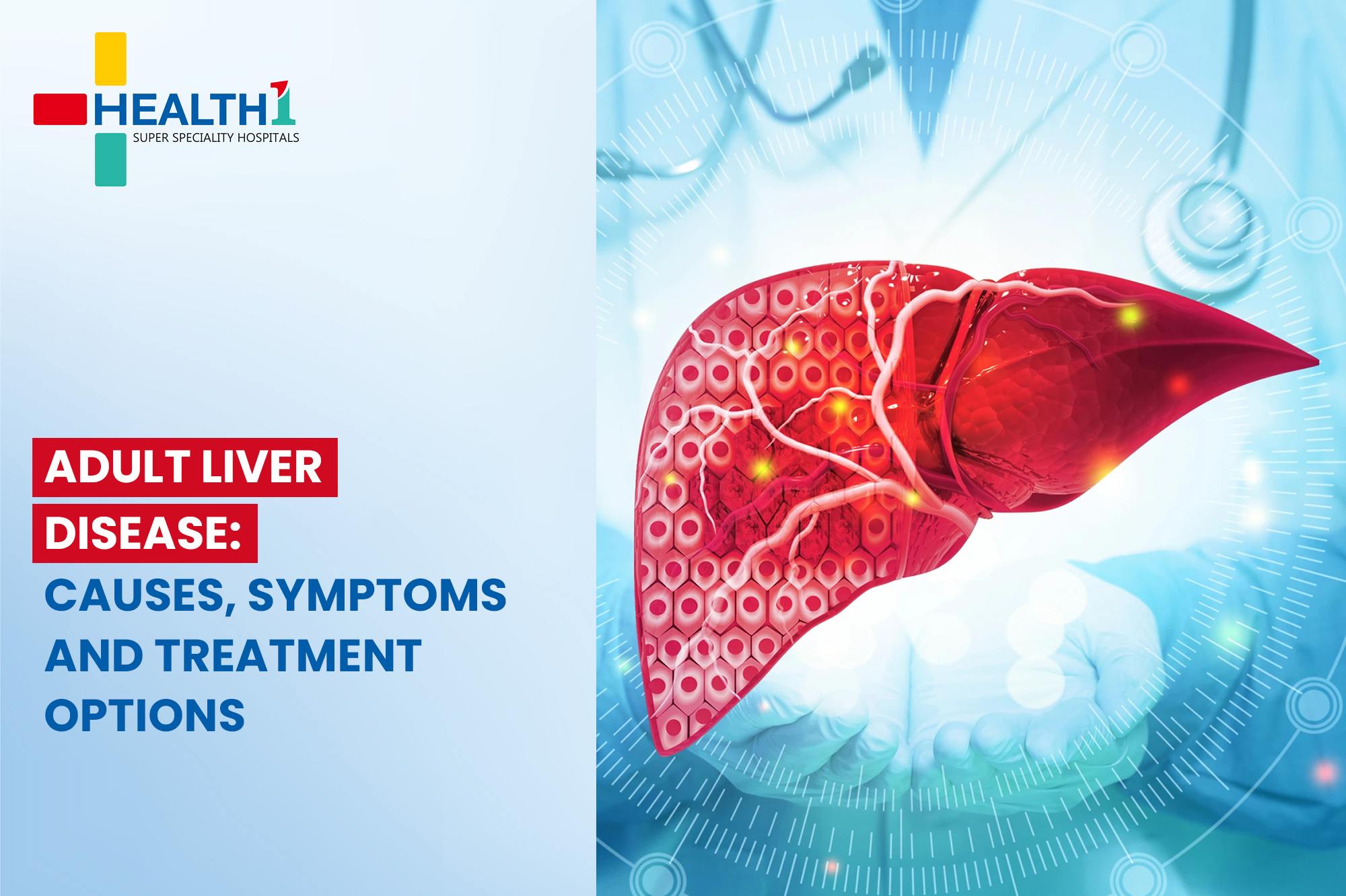
The liver is one of the body’s most essential organs, helping remove toxins from our blood, aid digestion, store energy and support immunity. If not functioning correctly, liver disease in adults is becoming increasingly common due to unhealthy lifestyle choices, alcohol abuse, infections or metabolic conditions; early diagnosis and proper liver disease treatment can prevent serious complications from developing.
Common Types of Liver Disease
Adults most commonly experience three liver conditions, fatty liver disease, hepatitis and cirrhosis.
Fatty Liver Disease
Fatty liver disease occurs when excess fat builds up in the liver. It is most frequently linked to obesity, diabetes, high cholesterol and alcohol consumption. Early symptoms may not cause any discomfort; however common fatty liver symptoms include fatigue, abdominal pain, bloating and unexplained weight gain. Left untreated it can lead to liver inflammation and permanent damage that requires medical intervention for recovery.
Hepatitis
Hepatitis is inflammation of the liver, caused by viral infections such as Hepatitis A, B or C; alcohol misuse; or certain medications. Its symptoms can include jaundice (yellowing of skin and eyes), dark urine, nausea and loss of appetite; some forms can become chronic and require long-term care.
Cirrhosis
Cirrhosis is a serious liver condition in which healthy liver tissue is gradually replaced by scar tissue, often due to prolonged liver damage from alcohol use, infections such as Hepatitis and undiagnosed Fatty Liver Disease. Cirrhosis can result in fluid buildup, internal bleeding and even liver failure if left untreated for too long.
Adult Liver Disease in Detail – Possible Triggers and Prevention Strategies
- Multiple risk factors increase the chances of liver disease:
- An excessive alcohol intake is detrimental to public health and should be addressed quickly and responsibly.
- Subpar diet and lack of physical activity.
- Obesity and diabetes, viral infections, long-term use of certain medicines as well as chronic illness are some of the risks.
- Genetic conditions Living an inactive lifestyle and disregarding early warning signs often postpones diagnosis.
Early Detection and Diagnostic Tests are key elements to maintaining optimal health.
Early diagnosis and management are critical components of effective liver care. Regular check-ups with your healthcare provider can detect issues before they worsen, so regular health checks may help detect liver issues before they worsen. Doctors may suggest
- Blood tests (Liver Function Tests)
- Ultrasound or CT scan
- FibroScan to check liver stiffness
- MRI or liver biopsy in advanced cases
Consultations with qualified liver specialists Ahmedabad ensure accurate diagnoses and timely treatments. Selecting a super specialty hospital provides access to cutting-edge testing technology as well as expert care services all under one roof.
Treatment Solutions Are Available for Liver Disease
Treatment options for liver diseases depend upon their specific condition and stage.
Early-stage liver diseases may often be treated medically using medication, diet changes and ongoing monitoring. Antiviral drugs may help with hepatitis while weight loss and controlling blood sugar may reduce symptoms associated with fatty liver disease.
Simple modification in your lifestyle can bring a significant improvement in liver health:
Try to eat a diet rich in fruits, vegetables, and whole grains to help ensure good health.
- Avoid alcohol and tobacco smoking.
- exercise often
- maintain weight by dieting and regular physical activity.
- To hydrate the body for the protection of the liver, along with the maintenance of kidney and heart health.
All the above activities not only aid in the preservation of the liver but also assist in the promotion of kidney and heart health.
Advanced Treatments and Surgery
If the condition becomes more severe, it is important that the patient receive expert-level treatment. Precision-based treatments such as robotic surgery are available in some hospitals, which helps to speed up recovery and improve the patient’s outcome in Ahmedabad. An experienced surgical specialist (vascular surgeon Ahmedabad) can be very helpful when the cause of a liver disorder involves a complication with blood vessels.
Patients suffering from multiple organ failure may require treatments such as kidney transplant surgery or pancreas transplant surgery, or coordination with gastroenterology and transplant teams.
Liver Transplant: When Does It Become Necessary?
Liver transplants should only be considered when other treatment measures have failed completely, leaving no other effective options for treating liver damage. They replace damaged livers with healthy donor ones, saving lives through advanced transplant centers’ lifesaving services; post-transplant care typically includes medications, regular follow up appointments and lifestyle discipline.
Many super specialty hospitals also offer comprehensive transplant programs, providing liver, kidney, and bone marrow transplantation to provide complete patient care.
Multispeciality Healthcare services play an integral part of integrated health systems.
Liver disease often has adverse consequences on other organs, including kidneys and hearts. The patients may require surgical interventions in the form of angioplasty to improve blood flow, thus understanding the cost estimate for the same in Ahmedabad helps in planning for the treatment. Integrative care from departments of gastroenterology, nephrology, and transplant improves outcomes.
Conclusion
Liver disease in adults can be devastating, yet treatable when detected early. Understanding its causes, symptoms and treatment options gives patients control of their health by making informed lifestyle decisions and seeking professional medical guidance as soon as symptoms or risk factors appear. Routine check-ups with healthcare practitioners as well as healthy lifestyle changes along with expert medical guidance may prevent complications and enhance quality of life – should symptoms arise or risk factors appear, seek expert guidance from an established super speciality hospital to ensure timely and effective care when necessary.