

Book Appointment
Skull base Surgery
Our Services:
- Skull Base Tumor Excision : Acoustic Neuromas, Chordomas
- CerebroSpinal Fluid Leaks
- Craniofacial Deformities
- Cranial Base Osteomyelitis
- MicroVascular Decompression for Trigeminal neuralgia, Hemifacial spasm


Our Healthcare Experts
Specialist Doctor

Qualifications :
M.S., D.N.B. ENT & Head and Neck Surgery, Fellowship in Head & Neck Surgery
Specialization :
ENT Surgeries , Head & Neck Surgery, Nose and Sinus Allergy, Endoscopic Surgery, Adenoidectomy, Tonsillectomy, Voice Disorders & Laryngeal Surgery, Head and Neck cancer- Benign & Malignant
Location :

Qualifications :
M.S. ENT, Fellowship in Advance Endoscopic Sinus Surgery & Skullbase Surgery
Specialization :
Complex surgeries with the most advanced instruments, Endoscopic Sinus Surgery, Diagnosis and treatment of head and neck cancer, Skull Base Surgery
Location :
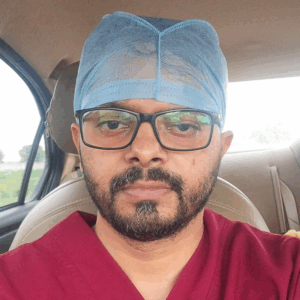
Qualifications :
Diploma in Oto-rhino laryngology
Specialization :
ENT Surgeries , Head & Neck Surgery, Nose and Sinus Allergy, Endoscopic Surgery, Adenoidectomy, Tonsillectomy, Voice Disorders & Laryngeal Surgery, Head and Neck cancer- Benign & Malignant
Location :

Qualifications :
M.S General surgery withOto-rhino laryngology
Specialization :
ENT Surgeries , Head & Neck Surgery, Nose and Sinus Allergy, Endoscopic Surgery, Adenoidectomy, Tonsillectomy, Voice Disorders & Laryngeal Surgery, Head and Neck cancer- Benign & Malignant
Location :

Qualifications :
M.S. ENT Surgery
Specialization :
Microscopic and endoscopic ear surgery, Head & Neck Surgery, Nose and Sinus Allergy, Endoscopic nasal Surgery, Adenoidectomy, Tonsillectomy, Voice Disorders & Laryngeal Surgery, Head and Neck tumors- Benign & Malignant
Location :

Qualifications :
M.S., ENT & Head- Neck Surgery, Fellowship in Skull base surgery (Italy)
Specialization :
All type of ENT surgery, Facial Nerve Disorders, Skull base Tumours, Vertigo, Allergt
Location :

FAQs for Skull base Surgery
What is skull base surgery?
Skull base surgery is a specialized type of surgery used to treat conditions located at the base of the skull, including tumors, nerve disorders, and abnormalities near the brain. It focuses on accessing deep areas with minimal impact on surrounding brain tissue.
What conditions are treated with skull base surgery?
Skull base surgery is used to treat conditions such as acoustic neuromas, chordomas, skull base tumors, cerebrospinal fluid (CSF) leaks, craniofacial deformities, and nerve disorders like trigeminal neuralgia.
What is a skull base tumor and how is it treated?
A skull base tumor is an abnormal growth located at the bottom of the brain. Treatment usually involves surgical removal through minimally invasive or open techniques, depending on the size and location of the tumor.
How is skull base surgery performed?
Skull base surgery can be performed using minimally invasive endoscopic techniques through the nose or mouth, or through traditional open surgery. The goal is to safely reach deep areas without damaging critical nerves and blood vessels.
Is skull base surgery a major surgery?
Yes, skull base surgery is considered a complex and major surgery because it involves delicate areas near the brain, nerves, and blood vessels. However, modern techniques have improved safety and outcomes significantly.
What is microvascular decompression in skull base surgery?
Microvascular decompression is a surgical procedure used to relieve nerve pressure caused by blood vessels. It is commonly performed to treat conditions like trigeminal neuralgia and hemifacial spasm.
What is a CSF leak and how is it treated with skull base surgery?
A cerebrospinal fluid (CSF) leak occurs when fluid surrounding the brain leaks through a defect in the skull base. Skull base surgery is used to repair the leak and prevent complications like infection or meningitis.
What are the benefits of minimally invasive skull base surgery?
Minimally invasive skull base surgery offers benefits such as smaller incisions, reduced complications, faster recovery, and improved precision. It allows surgeons to access difficult areas without extensive damage to surrounding tissues.
How long does recovery take after skull base surgery?
Recovery time depends on the type of surgery performed. Minimally invasive procedures may allow faster recovery, while complex surgeries may require longer healing and close medical monitoring.
Is skull base surgery safe?
Skull base surgery is generally safe when performed by experienced surgical teams using advanced technology. While it is complex, modern surgical techniques and multidisciplinary care have significantly improved success rates.
OPD Timing
