

Book Appointment
Ophthalmology
Our Services :
- Retina Surgeries for Retinal detachment, Vitreous hemorrhage, Dislocated lens and Traumatic eye pathologies
- Basic Eye Examination
- Stitchless Cataract Surgery by phacoemulsification technique
- Diabetic Retinopathy screening and management
- Retinopathy of Prematurity (ROP) diagnosis and management
- Glaucoma Diagnosis- Medical and Surgical management
- Fundus photography and fundus fluorescein angiography
- Pterygium surgery with conjunctival autograft
- Corneal tear repairs
- Management of ocular infectious diseases
- Management of acute eye injuries
- Pre-LASIK workup
- Lasik- Removal of spectacles with refractive surgery
- Amblyopia management


Our Healthcare Experts
Specialist Doctor
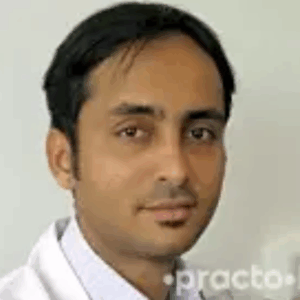
Qualifications :
D.N.B. Ophthalmology, FICO, FRF
Specialization :
Retinopathy of Prematurity, Diabetic Retinopathy, Hypertensive Retinopathy, Eye Trauma
Location :

Qualifications :
M.S. Ophthalmology
Specialization :
Paediatric Ophthamology, Retinopathy of Prematurity, Diabetic Retinopathy, Hypertensive Retinopathy, Eye Trauma
Location :

FAQs for Ophthalmology
What is ophthalmology and what conditions does it treat?
Ophthalmology is a medical specialty focused on eye health, vision care, and treatment of eye diseases. It includes diagnosis and management of conditions like cataract, glaucoma, retinal disorders, and refractive errors affecting overall vision.
What are the common symptoms of eye disorders?
Common symptoms include blurred vision, eye pain, redness, watering, sensitivity to light, and difficulty focusing. These symptoms may indicate underlying eye diseases and require early diagnosis and treatment to prevent vision loss.
What eye diseases are treated in ophthalmology?
Ophthalmology treats conditions such as cataract, glaucoma, diabetic retinopathy, retinal detachment, infections, and refractive errors. These diseases can affect different parts of the eye and may lead to vision impairment if not treated on time.
What is cataract and how is it treated?
Cataract is a condition where the eye’s natural lens becomes cloudy, causing blurred vision. Treatment involves surgical removal of the cloudy lens and replacement with an artificial lens to restore clear vision.
What is retina treatment and when is it needed?
Retina treatment is required for conditions like retinal detachment, diabetic retinopathy, and vitreous hemorrhage. It involves advanced procedures to repair damage and preserve vision, especially in cases where the retina is affected.
What tests are used for eye diagnosis?
Eye diagnosis includes vision testing, slit-lamp examination, retinal imaging, tonometry, and optical coherence tomography. These tests help detect eye diseases early and guide appropriate treatment planning.
What is the importance of regular eye examination?
Regular eye examination helps detect vision problems and eye diseases at an early stage. Many conditions like glaucoma develop without symptoms, so routine check-ups are essential to prevent permanent vision loss.
What is pediatric ophthalmology in eye care?
Pediatric ophthalmology focuses on diagnosing and treating eye conditions in children, including squint, lazy eye, and refractive errors. Early treatment helps ensure proper vision development and prevents long-term complications.
Can eye diseases be treated effectively?
Many eye diseases can be effectively treated with early diagnosis, medication, or surgery. Advanced ophthalmology treatments improve vision, control disease progression, and enhance quality of life for patients.
When should you consult an ophthalmologist?
You should consult an ophthalmologist if you experience vision changes, eye discomfort, persistent symptoms, or have risk factors like diabetes. Early consultation helps prevent serious complications and protects long-term eye health.
OPD Timing
