

Book Appointment
Non Invasive Cardiology
The Cardiology Department of Health1 Super Speciality Hospitals is optimised with the latest equipment like 2 State-of-the-art Cath Lab, latest and high tech Echo Machines, Ventilators, IABPs, etc.. for both interventional and non interventional treatment. We have top Cardiac experts who have appreciable experience in dealing with various types of cases in Cardiology and perform accurate diagnosis and the best treatment.
The non-invasive Cardiology procedures consist of conservative procedures that do not require incision into the body or removal of tissue.
Scope Of Services :
- Electrocardiogram (ECG for both adults and children)
- Stress test treadmill test (TMT)
- 2D-Echo and Colour doppler
- Transeosoplageal echocardiography (TEE)
- Dobutamine 2D-Echo
- Computerized ECG processing and signal averaged ECG
- Event recorder
- Ambulatory blood pressure monitoring (ABPM)
- Holter monitoring


Our Healthcare Experts
Specialist Doctor
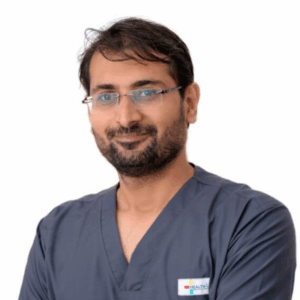
Qualifications :
M.D. General Medicine, D.M. Cardiology, D.N.B. Cardiology, MNAMS
Specialization :
Complex Cardiology procedures, Interventional cardiology , Complex Coronary Interventions, Peripheral Vascular Interventions, venous Disorders
Location :
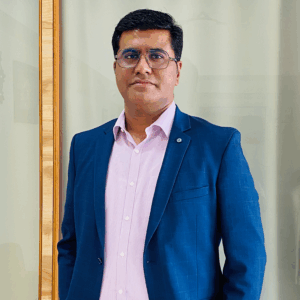
Qualifications :
M.D. General Medicine, D.M. Cardiology, FSCAI, AFESC
Specialization :
Complex Coronary Interventions, Structural Cardiac Interventions, Device Closure, Peripheral Interventions , Balloon Valvotomy, Carotid Artery Stenting, Renal Artery Stenting, Pacemaker, AICD Implantation
Location :

Qualifications :
M.D. General Medicine, D.M. Cardiology
Specialization :
Inerventional Cardiology , Coronary Angiography, Angioplasty and Stenting, Complex Coronary Interventionist, Peripheral Vascular Interventions, Balloon valvuloplasties, Diagnostic Structural Heart Disease Cath Procedures, Pacemaker Insertion, AICD Implantation, Retrieval of Embolized Intravascular foreign bodies, IABP Insertion, IVC Filter Implantation, Adult and Pediatric Echocardiography
Location :

Qualifications :
M.D., D.M. Cardiology
Specialization :
Complex Coronary Interventions, Structural Cardiac Interventions, Device Closure , Pacemaker Implantation, AICD Implantation, CRT Device
Location :
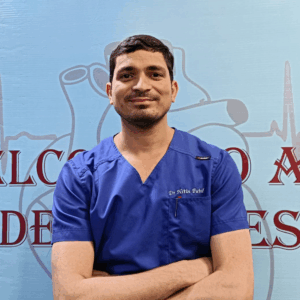
Qualifications :
M.D., D.M. Cardiology
Specialization :
Complex Coronary Interventions. Structural Cardiac Interventions. Peripheral Interventions Pacemaker implantation Pediatric cardiac Interventions. (2 D-Echo) , Structural Heart Intervention,pediatric Cardiology, Complex Coronary Interventions, Structural Cardiac Interventions, Peripheral Interventions, Pacemaker implantation, Pediatric cardiac Interventions, Echocardiography
Location :
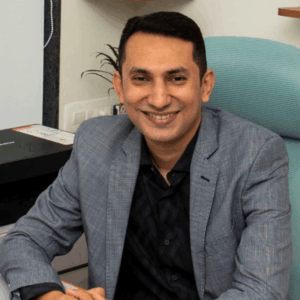
Qualifications :
M.D. Pediatrics(Gold Medialist), FPC
Specialization :
Paediatric, Cardiology, Pediatric Cardiac Interventions, Echocardiography
Location :

FAQs for Non Invasive Cardiology
What is non-invasive cardiology?
Non-invasive cardiology is a branch of cardiology that focuses on diagnosing and monitoring heart conditions without surgery or inserting instruments into the body. It uses tests like ECG, echocardiography, and stress testing to assess heart function safely.
What tests are included in non-invasive cardiology?
Non-invasive cardiology includes tests such as ECG, echocardiogram, stress test, Holter monitoring, and cardiac imaging like CT or MRI. These tests help evaluate heart rhythm, structure, and blood flow without requiring surgery.
What is the difference between non-invasive cardiology and invasive cardiology?
Non-invasive cardiology focuses on diagnosis using external tests, while invasive cardiology involves procedures like angiography or angioplasty that require entering the body. Non-invasive methods are used for early detection, while invasive treatments are used for advanced heart conditions.
Why is non-invasive cardiology important for heart health?
Non-invasive cardiology helps detect heart problems early, monitor existing conditions, and guide treatment decisions. Early diagnosis through these tests can prevent serious complications like heart attack or heart failure.
Is non-invasive cardiology safe?
Yes, non-invasive cardiology is considered very safe because it does not involve surgery, incisions, or catheter-based procedures. It reduces risks such as infection, bleeding, and long recovery time while providing accurate heart evaluation.
When should you consult a non-invasive cardiology specialist?
You should consult a non-invasive cardiology specialist if you experience symptoms like chest pain, shortness of breath, irregular heartbeat, or fatigue. These tests help diagnose conditions early before invasive procedures like angioplasty are required.
Can non-invasive cardiology detect heart disease early?
Yes, non-invasive cardiology plays a key role in early detection of heart disease. Tests like ECG and echocardiography can identify abnormalities before symptoms become severe, helping prevent major cardiac events.
Does non-invasive cardiology replace heart surgery?
No, non-invasive cardiology does not replace heart surgery but helps diagnose conditions early. It can reduce the need for procedures like angiography or cardiac surgery by enabling early treatment and monitoring.
How long do non-invasive cardiology tests take?
Most non-invasive cardiology tests are quick and can be completed within a few minutes to an hour. Tests like ECG take only minutes, while imaging tests may take longer depending on the complexity.
What are the benefits of non-invasive cardiology compared to surgery?
Non-invasive cardiology offers benefits such as no surgical risk, minimal discomfort, faster results, and lower cost compared to invasive procedures like angioplasty or cardiac surgery. It also allows repeated monitoring of heart health over time.
OPD Timing
