

Book Appointment
Medical Oncology and Chemotherapy
Medical Oncology is a modality of treatment in cancer care which uses chemotherapy, targeted therapy, hormonal therapy and immunotherapy to treat cancer in an effective manner. Medical Oncology usually works in conjunction with surgical oncology and radiation oncology to give the best clinical outcomes. A medical oncologist is an Expert person who deals in this field.
Cancer care requires a multidisciplinary holistic approach, where treatment is not only limited to surgical, radiation and medical oncology but also mind-body support, psychotherapy and to treat all manifestations of disease. If you are looking for cancer treatment, Health1 Super Speciality Hospitals is one of the best options where you can get multiple facilities under the same roof at a very rock bottom cost.
Medical Oncology deals with :
- Cancer Screening : Breast cancer, Colon cancer, Cervical cancer, Prostate cancer
- The diagnosis of any cancer
- Therapy (e.g. Chemotherapy, Targeted Chemotherapy, Hormonal therapy, Immunotherapy and Monoclonal antibodies)
- Follow-up of cancer patients after successful treatment
- Palliative care of patients with terminal malignancies
- Pain management
Scope Of Services :
- Chemotherapy
- Targeted Chemotherapy
- Hormonal Therapy
- Immunotherapy
- Monoclonal Antibodies Therapy
Chemotherapy
Chemotherapy is a form of drug therapy meant to destroy rapidly growing cancer cells in the body. As cancer cells grow and divide faster than any other cells, Chemotherapy is usually used to treat it. We give Chemotherapy using both conventional and latest protocols that compare with the international standards of care. Chemotherapy is a systemic treatment and works on the entire body.
Health1 Super Speciality Hospitals has a very experienced and expert team of Oncology department which includes Medical Oncologist, Surgical Oncologists, Ortho Onco Surgeons, highly trained and experienced staff who address different kinds of Oncology diseases.
Chemotherapy is often used in combination with other therapies, such as surgery, radiation or hormone therapy. This depends on :
- The stage and type of cancer you have
- Your overall health
- Previous cancer treatments you have undergone
- The location of the cancer cells
- Your personal treatment preferences


Our Healthcare Experts
Specialist Doctor

Qualifications :
M.D. General Medicine, Dr.N.B. Medical Oncology
Specialization :
All types of solid Cancers, Head & Neck Cancer, Brain tumor, Lung & Breast Cancer, Intestine, Liver, Gallbladded Cancer, Uterine, Cervix, Ovarian Cancer, Kidney, Urinary Bladder Cancer, Bone Cancer, Osteo Sarcoma, Ewing's Sarcoma, Skin Cancer, Chronic Myeloid Leukemia, Chronic Lymphoid Leukemia & Multiple Myeloma, Palliative cancer Care, Central Line Insertion, Genetic Counselling related to Cancer
Location :

Qualifications :
M.D. General Medicine, D.N.B. Medical Oncology
Specialization :
All Types of Solid Cancers, Hemato-oncology
Location :

Qualifications :
M.D. Paediatrics, D.M. Clinical Hematology
Specialization :
Hematology and Stem cell Transplant Physician, Management of Benign & Malignant Hematologic Disorder & Childhood Cancer
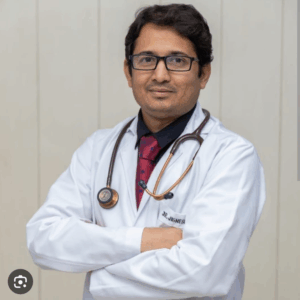
Qualifications :
M.D. General Medicine, D.N.B. Medical Oncology
Specialization :
Expertise in treating Solid Malignancies with Special interest in Head and neck cancer, Breast, lung, colon, Gynaecological and Urological Malignancy Bone and soft tissue cancer, Chemotherapy, Targeted Therapy, Immunotherapy as well as Palliative care
Location :

Qualifications :
M.D. General Medicine, Dr.N.B. Medical Oncology
Specialization :
All Types of Solid Cancers, Hemato oncology
Location :
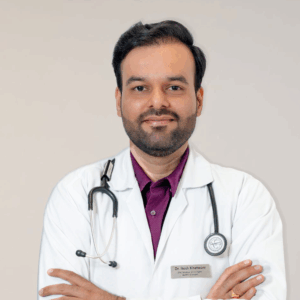
Qualifications :
M.D. General Medicine, D.N.B. Medical Oncology
Specialization :
All Types of Solid Cancers, Hemato oncology
Location :

Qualifications :
Dr.N.B Clinical Hematology, PDF Clinical Hematology and BMT (TMC Kolkata)
Specialization :
Clinical Hematology & Hemato Oncology, Bone Marrow Transplantation & Cellular Therapy, Stem Cell Transplant, Bleeding Disorders, Disorders of RBCs, WBCs and Platelets
Location :

FAQs for Medical Oncology and Chemotherapy
What is medical oncology and what does it treat?
Medical oncology is a branch of medicine focused on diagnosing and treating cancer using medications. It includes therapies like chemotherapy, targeted therapy, and immunotherapy to manage different types of cancers and improve patient outcomes through personalized treatment plans.
What is chemotherapy and how does it work in cancer treatment?
Chemotherapy is a cancer treatment that uses powerful drugs to destroy rapidly growing cancer cells. It works by stopping cancer cells from multiplying, helping shrink tumors and control disease spread in different stages of cancer.
What types of cancers are treated in medical oncology?
Medical oncology treats a wide range of cancers including breast, lung, gastrointestinal, blood cancers, and solid tumors. Treatment is planned based on cancer type, stage, and patient condition to provide effective and targeted cancer care.
When is chemotherapy recommended for cancer patients?
Chemotherapy is recommended when cancer needs to be controlled, reduced, or eliminated. It may be used before surgery to shrink tumors, after surgery to destroy remaining cells, or as primary treatment in advanced cancer cases.
What are the common side effects of chemotherapy treatment?
Common side effects of chemotherapy include fatigue, hair loss, nausea, weakness, and low immunity. These occur because chemotherapy affects both cancerous and healthy fast-growing cells, but supportive care helps manage these effects during treatment.
What symptoms indicate the need for oncology evaluation?
Symptoms such as unexplained weight loss, persistent fatigue, abnormal lumps, chronic pain, or unusual bleeding may indicate cancer. These symptoms require early diagnosis and timely oncology treatment to improve outcomes and prevent disease progression.
How is cancer diagnosed in medical oncology?
Cancer diagnosis involves tests such as imaging (CT, MRI), blood tests, and biopsy. These methods help identify cancer type, stage, and spread, allowing doctors to create an effective and personalized treatment plan.
What is targeted therapy in cancer treatment?
Targeted therapy is an advanced cancer treatment that focuses on specific molecules or genes involved in cancer growth. It helps destroy cancer cells while minimizing damage to healthy cells, improving treatment precision and reducing side effects.
How does medical oncology improve cancer survival?
Medical oncology improves survival by combining treatments like chemotherapy, immunotherapy, and supportive care. Personalized treatment strategies help control disease progression, reduce symptoms, and enhance quality of life for cancer patients.
When should you consult a medical oncologist?
You should consult a medical oncologist if you have symptoms suggestive of cancer, abnormal test results, or a confirmed diagnosis. Early consultation ensures timely treatment, better disease management, and improved chances of recovery.
OPD Timing
