

Book Appointment
Emergency Medicine and Trauma
Services Offered in Emergency Room :
- Minor emergencies and Injuries: like Minor accidents include Shallow cuts or Abrasions, Sprains and Muscle strain, Minor Fractures, Bruises and Skin lesions, Minor burns covering only a small area of skin, etc..
- Major emergencies and Illnesses: like Myocardial Infarct - Heart attack, Acute Coronary Syndromes, CV Stroke- Ischemic or Hemorrhagic, Pneumothorax, Torsion of Testis, etc..
- All kinds of Trauma and Injuries: Like Compound Fractures, Any kind of Head Injury or Eye injuries, Injuries associated with Chest pain, Severe bleeding, Confusion, Unconsciousness, Deep lacerated or Stab wounds, etc..
- Medico Legal Cases: like Road Traffic Accidents, Drug overdoses, Assault, Major Burns, Gunshot wounds, Blast injury, Fall From height, Drowning, Hanging, Skid and fall, etc..


Our Healthcare Experts
Specialist Doctor

Qualifications :
Diploma in Anaesthesia , I.D.C.C.M.
Specialization :
Critical Care Consultant , BLS & ACLS Instructor ( AHA ), FCCS Instructor, Managing the patients in ICU with MODS, Polytrauma, Acute Poisoning, Burns, Sepsis, Speciality in ECMO
Location :

Qualifications :
M.D. Anaesthesia , I.D.C.C.M
Specialization :
Critical and Intensive Care, Mechanical Ventilation
Location :

Qualifications :
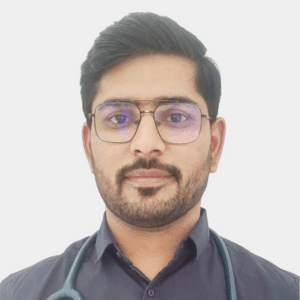
M.D. Emergency Medicine, I.D.C.C.M.
Specialization :
Emergency Medicine, Trauma / Polytrauma, Critical Care
Location :
Qualifications :
M.D. Respiratory Medicine, I.D.C.C.M.
Specialization :
Managing the patients in ICU with MODS, Polytrauma, Acute Poisoning, Management of the patients of Pneumonia and Respiratory Failure
Location :

FAQs for Emergency Medicine and Trauma
What is emergency medicine and trauma care?
Emergency medicine and trauma care is a medical specialty that provides immediate treatment for life-threatening conditions such as accidents, injuries, heart attacks, and strokes. It focuses on rapid diagnosis, stabilization, and further treatment to save lives.
What happens in an emergency department (ED)?
In an emergency department, doctors quickly assess, stabilize, and treat patients with acute illnesses or injuries. Patients may then be shifted to ICU, operation theatre, or specialized care depending on their condition.
What types of conditions are treated in emergency and trauma care?
Emergency medicine treats conditions like heart attack, stroke, severe injuries, fractures, burns, bleeding, respiratory distress, and trauma cases such as road accidents or head injuries.
What is trauma care and why is it important?
Trauma care focuses on treating serious physical injuries caused by accidents, falls, or violence. Immediate treatment is critical because timely intervention significantly improves survival and reduces complications.
What is the golden hour in trauma care?
The golden hour refers to the first 60 minutes after a severe injury, during which prompt medical treatment greatly increases the chances of survival. Rapid response during this period is crucial in emergency medicine.
What services are included in emergency medicine?
Emergency medicine includes life-saving services such as CPR, defibrillation, airway management, oxygen therapy, wound care, fracture stabilization, and rapid diagnostic testing for immediate treatment.
How does emergency medicine support critical care and surgery?
Emergency medicine stabilizes patients before they are transferred for advanced treatment such as surgery or ICU care. It plays a vital role in preparing patients for procedures like cardiac surgery or trauma surgery.
When should you go to an emergency department?
You should seek emergency care immediately if you experience symptoms like chest pain, severe injury, heavy bleeding, breathing difficulty, unconsciousness, or sudden neurological symptoms like stroke.
Is emergency medicine available for both minor and major conditions?
Yes, emergency departments treat both minor conditions like cuts, sprains, and burns, as well as major emergencies such as heart attack, stroke, trauma, and life-threatening injuries.
How does emergency medicine improve survival in critical conditions?
Emergency medicine improves survival by providing immediate diagnosis, rapid stabilization, and timely intervention. Early treatment reduces complications and ensures patients receive the right care at the right time.
OPD Timing
