

Book Appointment
Diet, Nutrition and Wellness
Roles and Responsibilities of Nutritionist :
- Good nutrition is a key component of recovering from surgery or illness
- The Department of Dietetics & Nutrition provides nutritional care, advice and education to patients while they are in the hospital and even after they are discharged
- Identifying nutrition problems and assessing the nutritional status of patients in a clinical setting.
- Developing diet plans and counseling patients on special diet modifications.
- The team ensures optimum nutrition for all patients undergoing or recovering various treatments. Dietary intervention in people can improve tolerance to various medical procedures in addition to improving quality of life.
Some of the reasons to refer Dietician :
- Diabetes
- Heart health
- Cancer
- Infant feeding and picky eating
- Allergies
- Digestive concerns
- Malnutrition
- breastfeeding
- Sports nutrition
- Vegetarian and vegan diets
Types of Diet offered by us :
- Regular or normal diet
- Liquid diet
- Soft diet
- Restricted diet
- Therapeutic diet
- Diabetic diet
- Renal diet
- Bland diet
- Others (As advised by the Clinical Consultant Doctor)


Our Healthcare Experts
Specialist Doctor

Qualifications :
Registered Dietitian (Certified in 2022 by Indian Dietetic Asssociaion, MP chapter), Msc. Food and Nutrition (Gold Medalist), Certified critical care dietitian, Certification in ketogenic therapy for epilepsy, Ongoing Certification in CDE (Certified Diabetes educator) and MIYCN (maternal, infant, young and child nutrition)
Specialization :
Critical care nutrition, diabetes management, chronic disease management (Cardiac disorder, renal disorder, liver disorders, tuberculosis etc.) , gut health, weight, liver disorders, tuberculosis etc.) , gut health, weight management, community nutrition, corporate nutritionist
Location :
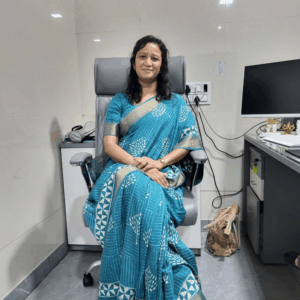
Qualifications :
BHMS, PGDCC ,DNHE,M.sc Food and Nutrition
Specialization :
Clinical nutrition, medical nutrition therapy for various, disorders, critical care nutrition
Location :

FAQs for Diet, Nutrition and Wellness
What is diet, nutrition and wellness?
Diet, nutrition and wellness focus on maintaining health through proper food intake, balanced nutrition, and lifestyle management. It plays a key role in preventing diseases and improving overall well-being.
Why is nutrition important for overall health?
Nutrition is essential because it provides the body with energy and nutrients required for growth, immunity, and disease prevention. A balanced diet helps reduce the risk of conditions like diabetes, heart disease, and obesity.
What does a balanced diet include?
A balanced diet includes a mix of carbohydrates, proteins, healthy fats, vitamins, minerals, and fiber. It should consist of fruits, vegetables, whole grains, and protein-rich foods to support overall health and body function.
How does diet help in disease management?
Diet plays a crucial role in managing conditions like diabetes, kidney disease, obesity, and digestive disorders. Personalized nutrition plans help control symptoms, improve recovery, and support long-term treatment outcomes.
What is the role of a nutritionist in healthcare?
A nutritionist assesses dietary needs and creates customized diet plans based on medical conditions, lifestyle, and health goals. They help improve recovery, manage diseases, and promote long-term wellness.
Can diet and nutrition support weight loss?
Yes, proper diet and nutrition are key to sustainable weight loss. A structured diet plan focusing on calorie balance, portion control, and nutrient-rich foods helps achieve healthy weight management without harming the body.
What are the benefits of clinical nutrition therapy?
Clinical nutrition therapy helps treat and manage medical conditions through targeted diet plans. It supports faster recovery, improves immunity, and enhances the effectiveness of medical treatment.
How does nutrition improve immunity and wellness?
Good nutrition strengthens the immune system by providing essential vitamins and minerals. A healthy diet helps the body fight infections, recover faster, and maintain long-term wellness.
What are common nutrition-related health problems?
Common nutrition-related problems include obesity, malnutrition, diabetes, heart disease, and digestive disorders. Poor dietary habits are a major cause of these conditions, making proper nutrition essential for prevention.
When should you consult a diet and nutrition specialist?
You should consult a specialist if you have weight issues, chronic diseases, digestive problems, or need a personalized diet plan. Early guidance helps improve health outcomes and prevent complications.
OPD Timing
