

Book Appointment
CerebroVascular Stroke / Brain Attacks
At Health1 Super Speciality Hospitals, we have a dedicated 24X7 functioning stroke unit – one of the most advanced centres in Ahmedabad for diagnosis, management, prevention and research of stroke and Cerebro-Vascular disorders. Our stroke team contains highly experienced and expert Neuro Physicians, Neuro Surgeons, Neuro Anaesthesiologist, Critical care Physicians, well trained and experienced staff.
The support of state-of-the-art specially designed modular Neuro Operation Theatre, 24×7 functioning Critical Care Unit, modern Ventilators, Multipara Monitors, round o’clock availability of Intensivist, facility of Radiology including MRI, CT scan, Pathology facilities under same roof saves patients essencial time and helps to get immediate investigation, diagnosis and cost effective treatment. As in the CerebroVascular Stroke, TIME is very crucial. The quicker you can get a diagnosis and treatment for a stroke, the better your prognosis will be.
The focus of Health1 Super Speciality Hospitals stroke team is early recognition, speed of treatment and cutting-edge treatment advances. From the time a patient arrives in an ambulance, our team starts the evaluation protocol to start treatment, as early as possible. TIME IS BRAIN.
“Clot dissolving” medicines in the early hours of ischemic stroke (in less than 4.5 hours) often proves lifesaving and always reduces the burden of the disease. Other advanced treatment options include Mechanical clot removal/ Thrombectomy. Our cath-lab is equipped for all kinds of Neuro-Endovascular procedures, including coiling of aneurysms, stenting of stenosed vessels, Surgery for AVMs with Preoperative Embolization.
Types of Stroke :
- Ischemic Stroke :Blockage type including Management of acute and chronic stroke, Carotid Stenosis and Intracranial Atherosclerosis
- Haemorrhagic Stroke :Bleeding type including Subarachnoid Haemorrhage, Intracerebral Haemorrhage, Subdural Haemorrhage, Epidural Haemorrhage, etc..
Symptoms of CerebroVascular Stroke :
- Difficulty in walking
- Loss of balance and Coordination
- Dizziness
- Difficulty in speaking or understanding others who are speaking
- Numbness or paralysis in the face, leg or arm, mostly on just one side of the body
- Blurred or darkened vision
- Sudden acute onset of headache, especially accompanied by nausea, vomiting or dizziness
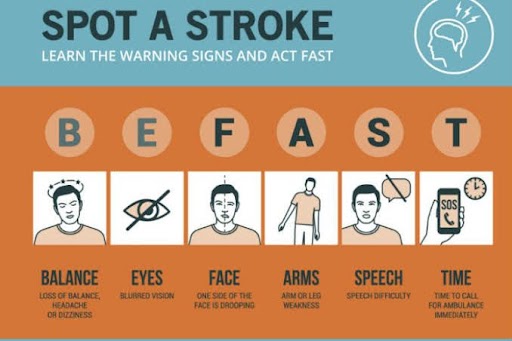
- Balance : Loss of Balance, Headache or Dizziness?
- Eyes : Blurred Vision?
- Face : Does one side of the face droop?.
- Arm : If a person holds both arms out, does one drift downward?
- Speech : Is their speech abnormal or slurred?
- Time : It’s time to call 079-69996999 / 9033114444 and get to the hospital if any of these symptoms are present.
Scope of Services :
- 1. Ischemic Stroke :
- Emergency IV medication of recombinant tissue plasminogen activator (tPA)-also called alteplase (Activase)-is the gold standard treatment for ischemic stroke (tPA can be given up to 4.5 hours after stroke symptoms started)
- Emergency endovascular procedures
- Carotid endarterectomy
- Angioplasty and Stents
- 2. Haemorrhagic Stroke :
- Emergency Measures include drugs to lower the pressure in your brain (intracranial pressure), lower your blood pressure, prevent spasms of your blood vessels and prevent seizures
- Surgical clipping
- Coiling (endovascular embolization)
- Surgical AVM (ArterioVenous Malformation)
- Stereotactic Radiosurgery
- 3. Stroke Recovery and Rehabilitation :
- Rigorous Physiotherapy


Our Healthcare Experts
Specialist Doctor
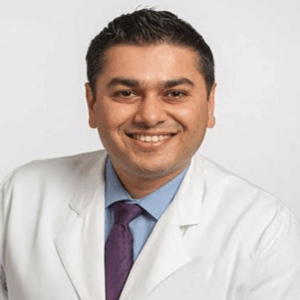
Qualifications :
Neurology (USA), Stroke & Interventional Neurology (USA)
Specialization :
Neurology, Stroke, Interventional Neurology, Complex Neuro Radio Procedures , Acute Stroke Thrombectomy, Brain/Head-Neck Aneurysms, Head-Neck-Spinal Vascular Tumour Embolization, Carotid and Intracranial Arterial / Vascular Stenting, Complex Brain Aneurysm Coiling, Complex Aneurysm Treatment using Flow Diverter/Stent/Balloon/Web, Brain-Spine AVM/AVF Embolisation, Carotid Cavernous Fistula Embolisation, Venous Sinus Thrombolysis/Stenting, Cerebral/Spinal DSA Angio Radiology and Endovascular Surgery, Interventional Neuroradiology
Location :

Qualifications :
M.D. General Medicine, D.N.B Neurology
Specialization :
Headache Syndrome and Movement disorder , Stroke, Epilepsy, Vertigo, Neuropathy, Muscle Disease, CNS infection, Spinal cord disease, Dementia
Location :
Qualifications :
D.M. Neurology
Specialization :
Stroke, Epilepsy, Vertigo, Neuropathy, Muscle Disease, CNS infection, Spinal cord disease, Dementia
Location :

Qualifications :
M.D. General Medicine, D.M. Neurology
Specialization :
Care for patients with Neurological disorders like, Headache, Vertigo, Neck and back pain, Stroke/brain hemorrhage, Epilepsy, Neuropathy and Myopathy, Alzheimer’s disease/Dementia, Parkinson disease, Tremor syndromes, Meningitis/Encephalitis (Brain Infections), Ataxia (Balance problems), Myasthenia gravis, Mood/anxiety and Behavioral problems, Insomnia and other sleep disorders
Location :
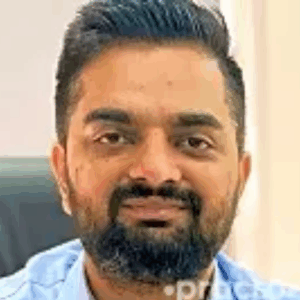
Qualifications :
M.D. General Medicine, D.M. Neurology
Specialization :
Parkinson’s Disease and Movement Disorders, Myoclonus, DBS for Parkinson’s Disease, Dystonia and Tourette Syndrome, Botulinum Toxin for Various Dystonia, Expertise in DBS
Location :

Qualifications :
M.D. General Medicine, D.M. Neurology
Specialization :
Parkinson’s Disease and Movement Disorders, Myoclonus, DBS for Parkinson’s Disease, Dystonia and Tourette Syndrome, Botulinum Toxin for Various Dystonia, Expertise in DBS
Location :
Qualifications :
D.Ch, D.N.B, FIAP, D.M. Pediatric Neurology
Specialization :
Paediatric Neurology
Location :

FAQs for CerebroVascular Stroke / Brain Attacks
What is a stroke or brain attack?
A stroke, also known as a brain attack, occurs when blood flow to the brain is suddenly blocked or reduced, preventing oxygen supply to brain cells. This leads to rapid brain damage and requires immediate medical treatment to prevent disability or death.
What are the common symptoms of a stroke?
Stroke symptoms include sudden weakness on one side of the body, difficulty speaking, loss of balance, dizziness, and vision problems. These signs appear suddenly and indicate an emergency, requiring immediate medical attention to reduce brain damage.
What causes cerebrovascular stroke?
Cerebrovascular stroke is caused by either blockage of blood vessels (ischemic) or rupture of vessels (hemorrhagic) in the brain. Risk factors include high blood pressure, diabetes, smoking, and heart disease, which affect blood flow to the brain.
Why is stroke considered a medical emergency?
Stroke is a medical emergency because brain cells begin to die within minutes of oxygen deprivation. Early treatment significantly improves recovery outcomes and reduces long-term complications like paralysis, speech loss, or permanent brain damage.
What are the different types of stroke?
The main types include ischemic stroke caused by blood clots and hemorrhagic stroke caused by bleeding in the brain. A transient ischemic attack (TIA), or mini-stroke, is a temporary blockage that increases future stroke risk.
What symptoms indicate a brain attack requires urgent care?
Symptoms like facial drooping, arm weakness, speech difficulty, confusion, and sudden severe headache indicate a brain attack. These symptoms require immediate emergency care to restore blood flow and prevent serious neurological damage.
How is stroke diagnosed in neurology?
Stroke diagnosis includes neurological examination, CT scan, MRI, and blood tests to identify the type and severity of brain injury. Early and accurate diagnosis helps guide immediate stroke treatment and improves recovery chances.
What treatment options are available for stroke?
Stroke treatment includes clot-dissolving medications, surgical procedures, and supportive care. In some cases, minimally invasive neurovascular interventions are used to restore blood flow and reduce brain damage effectively.
Can stroke be prevented with proper care?
Stroke prevention involves controlling blood pressure, managing diabetes, maintaining a healthy lifestyle, and avoiding smoking. Early management of risk factors significantly reduces the chances of developing cerebrovascular disease.
When should you consult a stroke specialist?
You should consult a specialist immediately if you experience sudden neurological symptoms like weakness, speech difficulty, or loss of coordination. Early intervention is critical in stroke cases to improve survival and reduce long-term disability.
OPD Timing
